
For many women in eastern Democratic Republic of Congo, understanding their rights has become an important step toward building stronger and more peaceful communities. To mark International Women’s Day, we are sharing stories from The Peace Project about women who are strengthening peace in their communities. Across eastern Democratic Republic of Congo, women are coming together to support one another, raise their voices, and contribute to more peaceful and inclusive societies.
A collaborative piece written by The Peace Project partner CDJP/Butembo-Beni
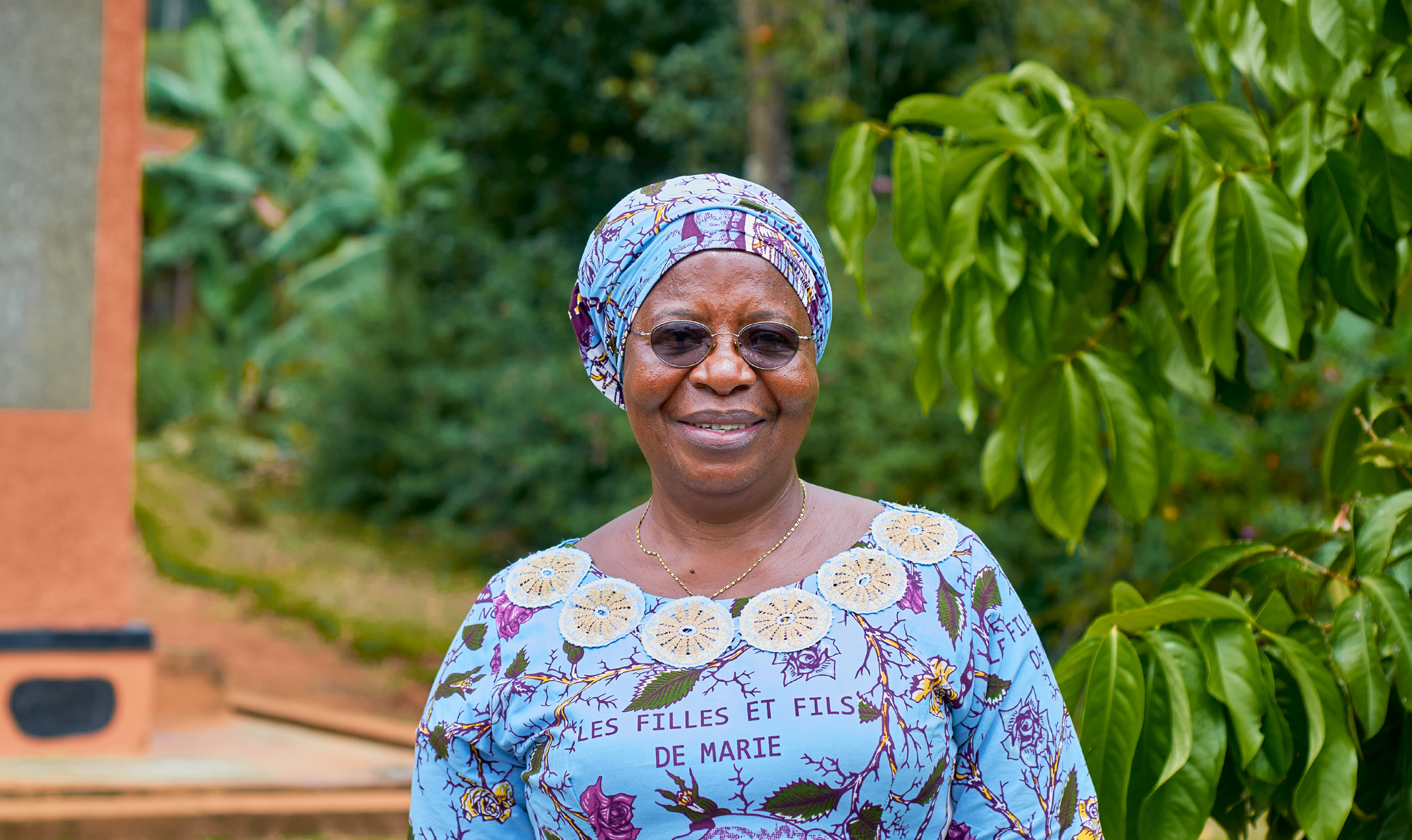
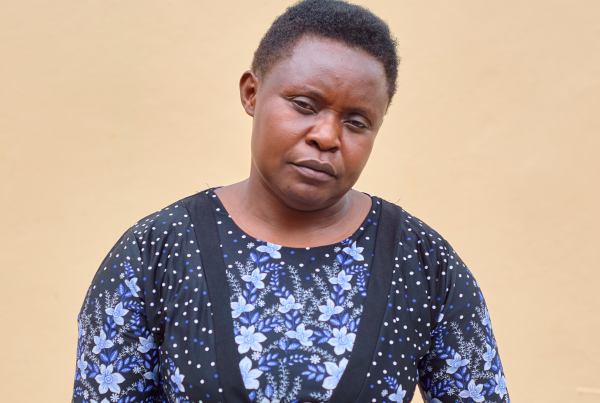
Madame Prosperine, member of the Women and Peace Network of the Diocese of Butembo-Beni.
For madame Prosperine, a member of the Women and Peace Network of the Diocese of Butembo-Beni, one lesson stands out from these experiences: understanding your rights can change the way women see themselves and their role in society.
“If a woman knows her rights, she can claim them, protect them, and raise awareness among others,” she explains.
In many communities around Butembo-Beni, a lack of awareness about women’s rights has long contributed to injustice and conflict. Questions around inheritance, property, and legal protection have often left women vulnerable or excluded from decisions that directly affect their lives.
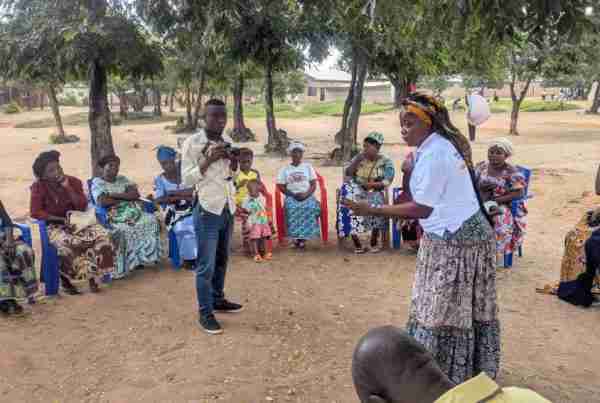
Through the Women and Peace Network and other local women’s associations, this is slowly beginning to change. Women now meet regularly to exchange experiences, learn more about their rights, and reflect together on the challenges facing their communities. These gatherings create spaces where women can speak openly about their struggles and begin to support one another.
“Before, women could not express their problems freely,” Prosperine says. “Now they can speak about their difficulties without fear and ask for help when necessary.”
The need for these spaces is rooted in the difficult realities many women face in the region. Years of conflict in eastern Democratic Republic of Congo have deeply affected daily life. Some women have lost their husbands during attacks by armed groups, while others struggle to provide for their families after displacement or the loss of their homes and land.
Faced with these shared hardships, women began organizing themselves into solidarity groups. Widows, survivors of violence, displaced women, and others affected by insecurity came together to support one another and find ways to move forward.
“In difficult situations, women support each other because we understand that we are facing the same problem: the lack of peace,” Prosperine explains.
These solidarity groups provide practical assistance, but they also help women discover their collective strength. By sharing experiences and learning together, women begin to understand that many of the challenges they face are not individual problems but part of wider social and structural inequalities.
Support from local organizations and institutions has helped strengthen this process. Women leaders receive training and guidance that enables them to listen to the experiences of others and help channel community concerns into constructive dialogue and peacebuilding initiatives.
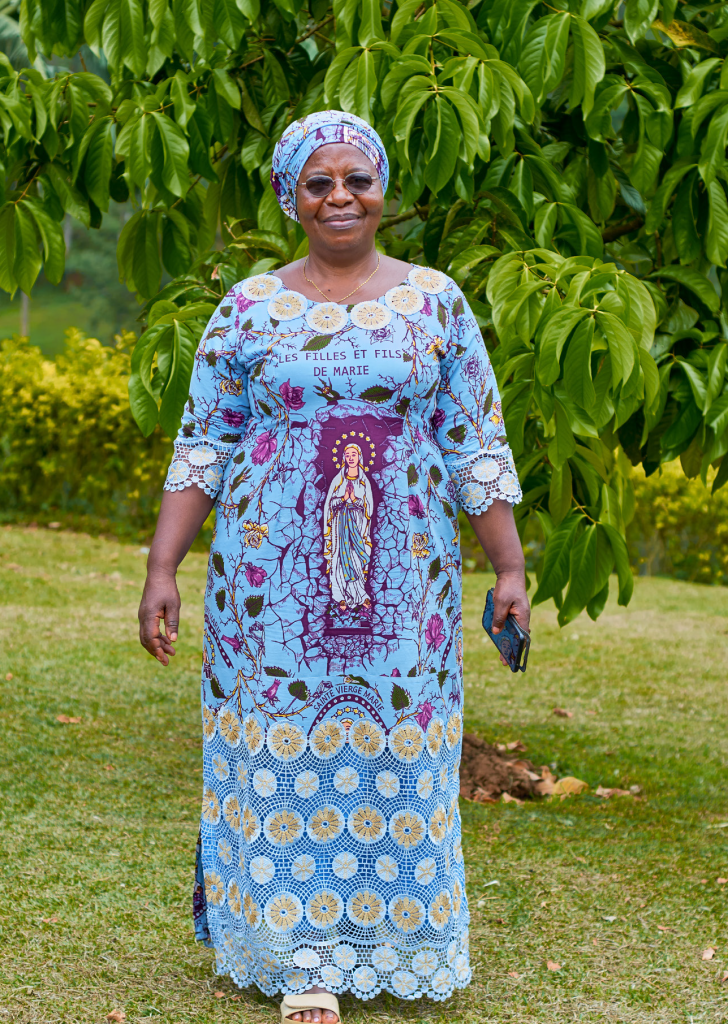
Despite the many challenges that remain, Prosperine believes women have an essential role to play in shaping a more peaceful future.
“We are mothers not only for our children, but also for our communities,” she says. “When we choose peace, everyone benefits.”
On International Women’s Day, her message is clear: when women know their rights and stand together, they become powerful actors for change. Through solidarity, knowledge, and courage, women are helping their communities move toward greater dignity, justice, and lasting peace.