
About

The Peace Project is an eight-year peacebuilding programme (2024–2031) that brings together local peacebuilders across the Democratic Republic of Congo, Burundi, Uganda, and South Sudan. 

Since 2024, partners within this programme have worked together to rebuild trust, strengthen relationships, and promote more inclusive ways of living together. The programme is designed as a long-term effort grounded in the knowledge, leadership, and agency of communities themselves, and carried forward through collaboration between local and international partners.
The Reality Behind The Programme

Across the four countries, many communities continue to live with the effects of prolonged violence, political instability, and social division. In some areas, mistrust between groups can escalate quickly. Young people often feel excluded from decisions that shape their future. Women’s voices are not always reflected in leadership spaces. Misinformation and polarising narratives can deepen existing tensions. 

Peace is not only about the absence of violence. It is also about whether people can raise concerns safely, whether differences can be discussed constructively, and whether leadership is experienced as fair and inclusive. Several interconnected factors contribute to ongoing tensions: 

  • deeply rooted narratives and perceptions about “the other” 
  • limited safe spaces for dialogue 
  • exclusion of women and youth from decision-making 
  • governance and security practices that do not always build trust 
  • the spread of misinformation and hate speech 

Addressing these challenges requires sustained, locally grounded engagement. 

Approach

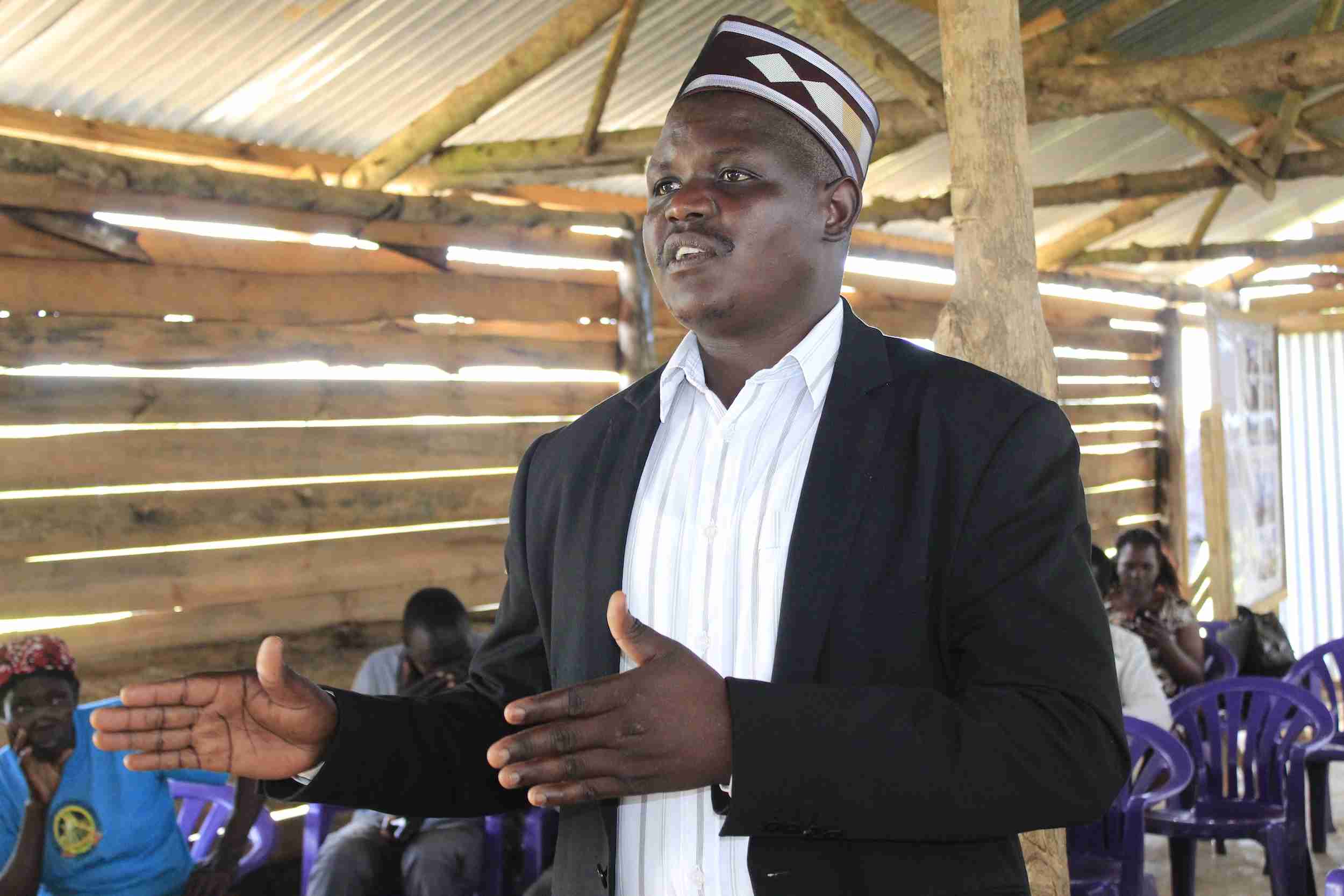
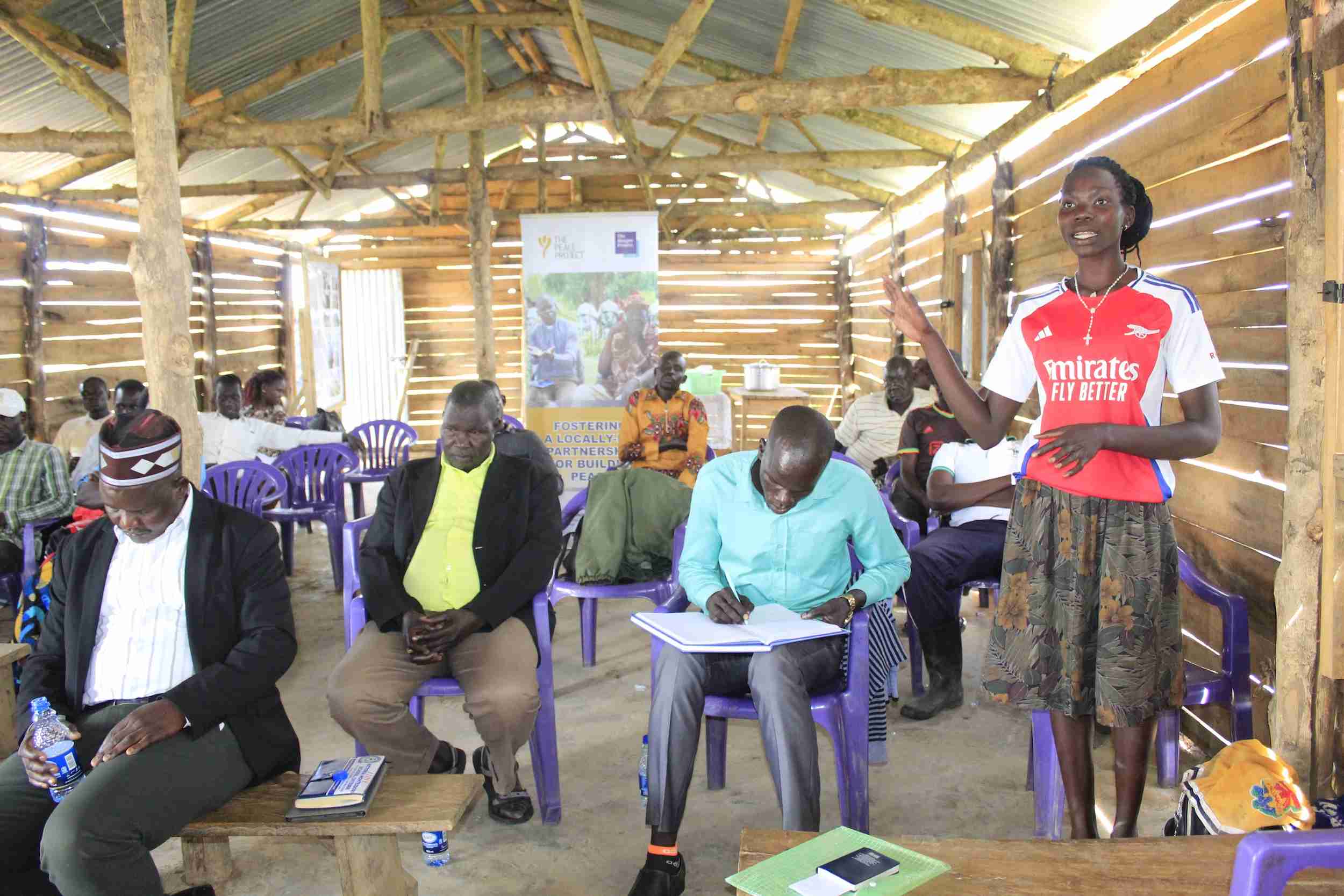
A defining feature of The Peace Project is its collaborative and locally led character. Local partners and community members identify priority issues and determine how to address them. They design context-specific responses and guide implementation. Youth groups, women’s organisations, religious and traditional leaders, mediators, and community-based organisations all play an active role.  Dialogue is central throughout. Structured and facilitated conversations create space for people who may not usually meet to listen to one another, reflect on tensions, and address disagreements constructively. These processes are shaped by local leadership and rooted in community realities. Because ownership remains local, peacebuilding efforts are more likely to be trusted, relevant, and sustained over time. 

How Change Takes Shape 

Within The Peace Project, change unfolds across three connected areas. 

  1. Shifting harmful narratives: Conflict is often sustained by fear, stereotyping, misinformation, and unresolved grievances. Through dialogue, reflection, and trauma-informed support, participants explore different perspectives and question divisive assumptions. Religious and community leaders contribute by promoting inclusive messages and countering hate speech.Small shifts in how people see one another can reduce prejudice and open space for cooperation.
  2. Strengthening relationships: Peace grows through relationships. The programme supports interreligious and interethnic dialogue, joint initiatives involving young people, strengthened leadership of women and youth, and training in mediation and conflict transformation.Regular and meaningful interaction helps rebuild trust and creates channels to address tensions before they escalate.
  3. Supporting more inclusive conditions: Lasting peace also depends on how decisions are made. Local partners engage in governance and policy processes to promote fair representation, women’s rights, land rights, access to mental health support, and meaningful youth participation.Efforts also focus on strengthening trust between communities and local authorities, including security actors. When communication channels remain open and inclusive, tensions are less likely to turn into violence. 

These three areas reinforce one another. Changes in narratives support stronger relationships. Stronger relationships enable cooperation. More inclusive practices help sustain peace over time. 

Working Across Levels 

Community-level dialogue does not happen in isolation. Experiences and lessons from local initiatives inform engagement at local, national, and international levels. At the same time, partners across the four countries exchange insights and strengthen one another’s practice. Local realities shape broader conversations, while shared learning supports more effective action on the ground.
 

A Long-Term Commitment 

Peacebuilding takes time. Trust develops gradually. Narratives do not shift overnight. Sustained engagement allows relationships to deepen, initiatives to adapt, and communities to address tensions constructively over the long term. 

The Peace Project is designed as an eight-year programme (2024–2031), providing the continuity needed to accompany gradual processes of change in fragile and divided contexts.

This long-term commitment is made possible with the support of the Dutch Ministry of Foreign Affairs.