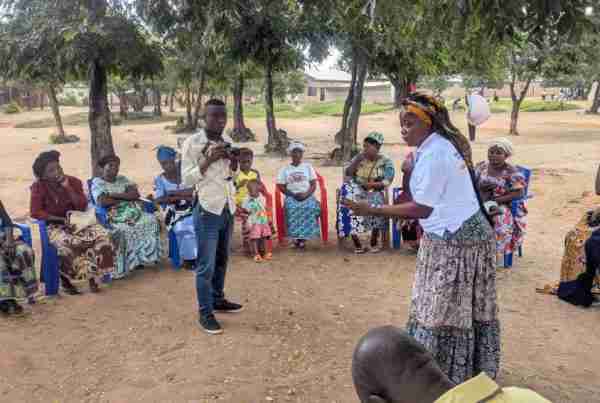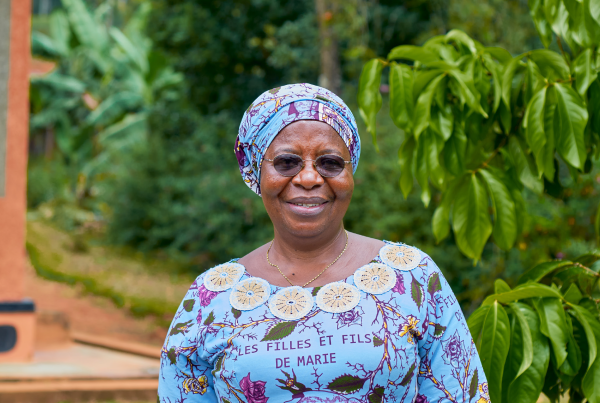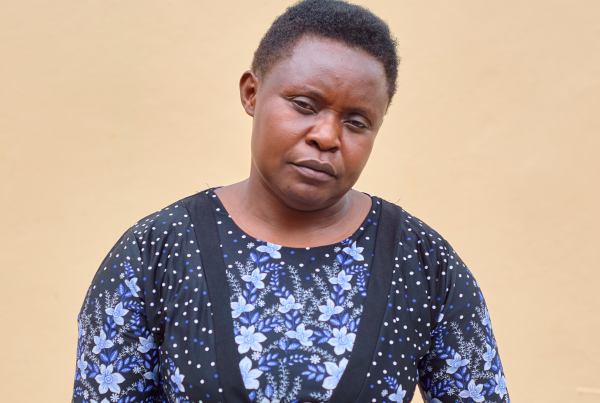


In Eastern Democratic Republic of Congo, digital spaces are becoming more than just platforms for communication. For many women, they are spaces of voice, influence, and change. Through training on digital tools and peace content creation organized by Habari RDC, women journalists, activists, and community leaders are discovering how digital platforms can amplify their perspectives and contribute to more constructive conversations in society.
A collaborative piece written with the help of The Peace Project partner Habari RDC
From Hesitation to Confidence Online
 For Irène Mulindwa, a journalist based in Bukavu, the digital world once felt difficult to navigate. Before the training, she struggled with certain online tools and platforms, including emerging technologies like artificial intelligence. “Before the training, I experienced some difficulties using certain digital platforms,” she explains. “But thanks to the training, I now manage them much better.”
With new skills came confidence. Irène now uses digital tools more freely to express her ideas and participate in online discussions. For her, the presence of women online is essential—not only to share their perspectives but also to counter harmful narratives.
“We sometimes face sexist discourse online,” she says. “Women need to be present to challenge these messages and to share their own views on important issues.”
She also sees how digital spaces can promote understanding. Across social media platforms, particularly on Facebook, she has noticed initiatives that encourage tolerance, peaceful coexistence, and dialogue rather than division.
Why Women’s Voices Matter in Digital Spaces
 For Dufina Linda, a human rights activist in Goma, the change has been equally profound. Before the training, she believed that digital spaces were mainly for men or for people with advanced technical skills. “I lacked confidence,” she recalls. “I was afraid of expressing myself poorly and being judged by others.”
Today, she views digital platforms very differently. With new skills and confidence, she now understands how to structure her ideas and reach a broader audience through writing, video, or online discussions. For Dufina, digital participation is about more than communication—it is about influence.
“The digital space is a place of opportunities,” she says. “A woman’s presence online allows her to express her voice, share her ideas, and participate in debates that shape society.”
She believes women’s online participation strengthens not only individual confidence but also collective progress by opening professional opportunities, building networks, and allowing women to positively influence society.
Using Digital Skills to Promote Peace
 Sylvie Mazambi, coordinator of Woman Power DRC and a long-time advocate for women’s rights, shares a similar experience. Before participating in the training, she had many ideas but hesitated to share them online. “My lack of technical skills and fear of being misunderstood held me back,” she explains. After the training, that hesitation disappeared. Sylvie now uses digital platforms strategically to promote peace and strengthen dialogue within communities.
“Digital skills have allowed me to express my ideas more clearly, reach a wider audience, and actively contribute to initiatives that promote peace,” she says.
Towards Safer and More Inclusive Digital Spaces
All three women emphasize that while digital spaces hold great potential, they also require safer environments for women. Online harassment, hate speech, and gender-based attacks remain significant barriers. For them, safer digital spaces require stronger moderation, clearer policies against online violence, and greater awareness about respectful communication and gender equality online.
At the same time, they believe women themselves play a powerful role in shaping these spaces. By sharing constructive messages, engaging in dialogue, and supporting one another, women can transform digital platforms into spaces that foster understanding rather than division.
Empowerment Through Participation
For Irène, Dufina, and Sylvie, empowerment in today’s world is closely linked to digital participation. It means having the skills and confidence to express ideas independently, influence discussions, and contribute to positive change in both online and offline communities.
As Dufina puts it:
“Do not hesitate—start without delay and believe in the value of your voice. Your voice can inspire others.”
Their stories show that when women gain the tools to participate in digital spaces, they do more than communicate. They help shape conversations, challenge harmful narratives, and build pathways toward more peaceful and inclusive societies.