
In Uvira, in the eastern Democratic Republic of Congo (DRC), peace is not built in conference rooms, it grows within communities, shaped by the everyday actions of women who support one another, speak up, and create space where there was none before.
A collaborative piece written with the help of The Peace Project partner CDJP/Uvira
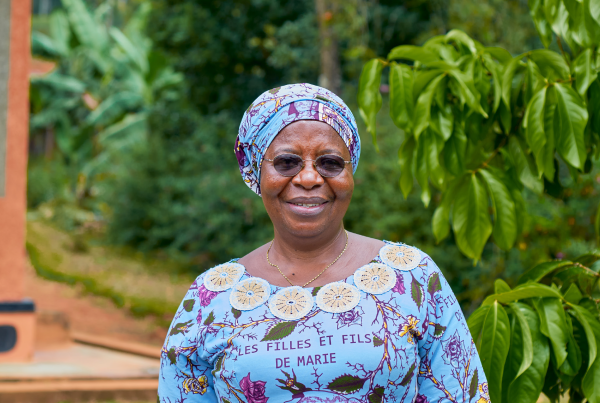
Across neighborhoods, women are organizing themselves in practical and powerful ways. For Marie Mithila Ponga, working in Gender, Family and Children at the Uvira Municipality, this is where change begins:
“Women create structures of mutual support through savings groups and small businesses.”
These grassroots systems ensure that when one woman struggles, she is not alone.
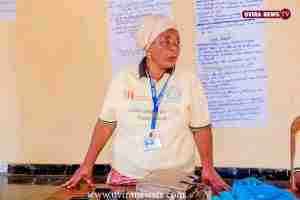
Marie Mithila Ponga
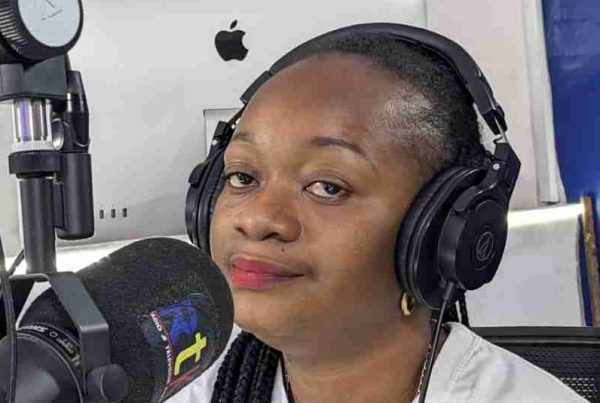
This spirit of solidarity is echoed by Sandra Mukingilwa Sifa, from the Forum of Women Peace Leaders (FFLM): “In difficult situations, women support each other through contributions, whether money or goods, to help those who are sick or facing hardship.”
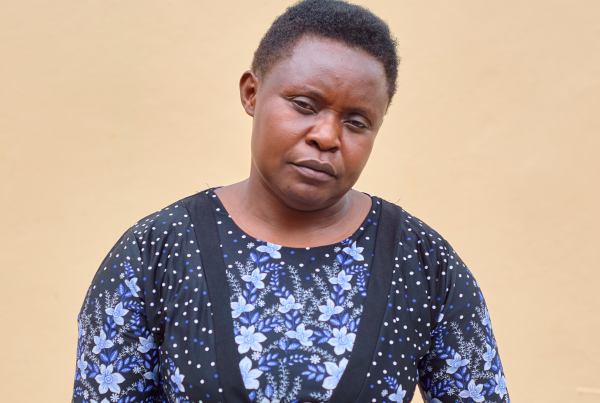
For Melanie Mutambala, from Dynamique Femme CDJP Uvira, these spaces also create opportunities: “Women created groups without discrimination, working hand in hand… learning small trades so they can earn a living.” Through these locally driven efforts, women are strengthening trust and social cohesion, one relationship at a time.
These locally driven efforts are not isolated, they are part of a broader process of strengthening relationships, rebuilding trust, and creating the conditions for peace from the ground up. This is central to The Peace Project’s approach: supporting communities to lead their own processes of change, rooted in their realities and priorities.
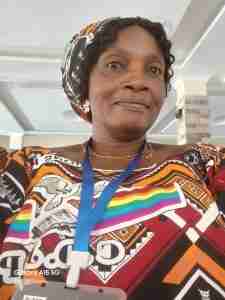
Melanie Mutambala
From these networks, women are stepping into a broader role as peacebuilders. Within families, communities, churches, and media spaces, they are creating dialogue and promoting alternatives to violence. As Sandra explains, “Women spread messages of peace and refuse the use of violence, while encouraging communities to live together and resist hate.”
Neema Mtambo Agneta, Coordinator of Women in Action for Integrated Development, highlights how this role is grounded in everyday realities:
“Women bring mediation, listening, and dialogue. They are often the first to detect tensions and promote peaceful solutions.”
Through The Peace Project, these kinds of locally led initiatives are strengthened by creating safe spaces for dialogue, supporting community actors, and connecting everyday experiences to broader processes of social change.
As women take on these roles, something shifts within themselves. Participation builds confidence and leadership. Neema reflects, “I feel more legitimate to express my opinions and defend women’s rights,” while Melanie observes that “women are starting to overcome fear and ignorance… they can now speak in public without any complex.” For Sandra, this is also visible in how others respond: “I am now listened to in my community, especially by other women who appreciate my initiatives.”
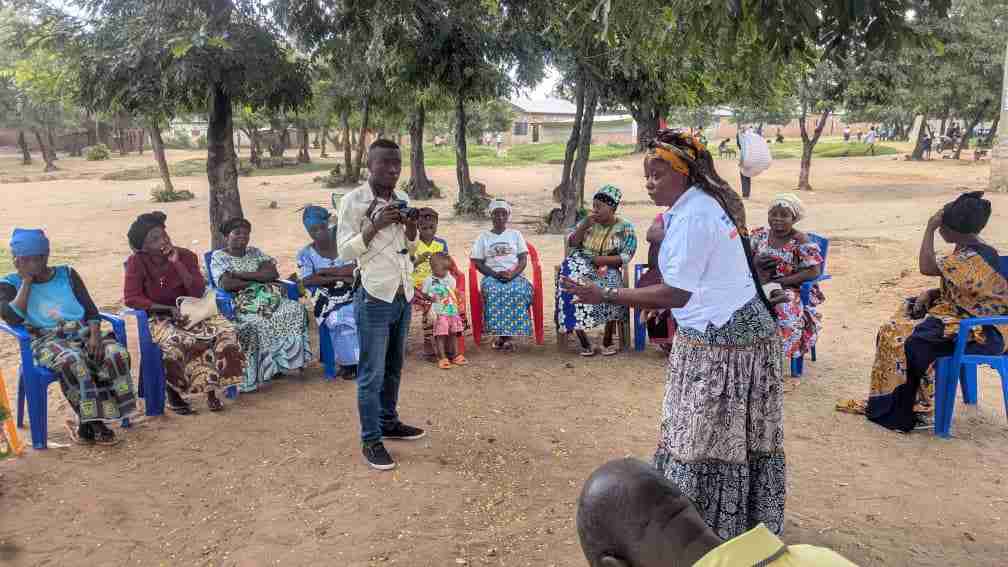
Neema Mtambo Agneta (standing right)
Gradually, these changes are reshaping social norms. Conversations around women’s well-being are becoming more open and inclusive. Marie notes that “women clearly express their needs — not only among themselves, but also in front of men and authorities,” while Neema observes that men are increasingly engaging, helping to build mutual understanding. This progress is built through dialogue and the creation of safe spaces. As Neema explains,
“The creation of spaces where women can speak freely
without judgment has been key.”
Change remains complex, and not everyone embraces it at the same pace. Yet even within this tension, progress is visible. Women’s voices are increasingly leading to concrete action, from mediation efforts to greater awareness around issues such as domestic violence.
Looking ahead, economic empowerment remains essential. As Sandra explains, “Women need financial independence… many don’t know where to start and need support like microcredit.” Others emphasize the need for education, continued support, and greater participation in decision-making. At the heart of their vision are dignity and safety, being respected, heard, and able to live free from fear.
In Uvira, DRC, peace is not an abstract idea. It is something that is practiced daily; through dialogue, solidarity, and collective action. And it is women, working together, who are helping to make it possble.
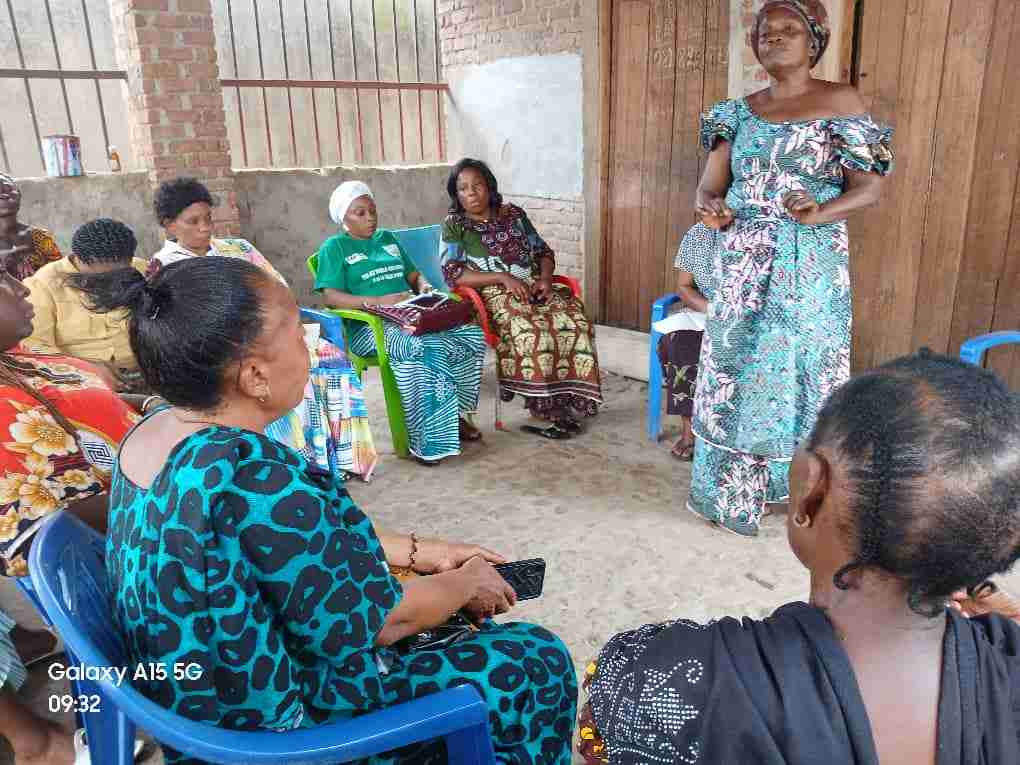
Melanie Mutambala (standing)