
What does long-term peacebuilding look like in practice? Across the Democratic Republic of Congo, Burundi, Uganda, and Sout-Sudan local peacebuilders are working together to answer that question.
The Peace Project is an eight-year programme (2024–2031) that supports communities living with the effects of conflict, mistrust, and exclusion. Rather than offering quick solutions, the programme invests in steady, locally led processes that rebuild trust, strengthen relationships, and promote more inclusive ways of living together.
In many of the communities involved, tensions are shaped not only by past violence, but also by harmful narratives, limited opportunities for dialogue, and unequal access to decision making spaces — particularly for women and young people. Addressing these realities requires patience, consistency, and collaboration.
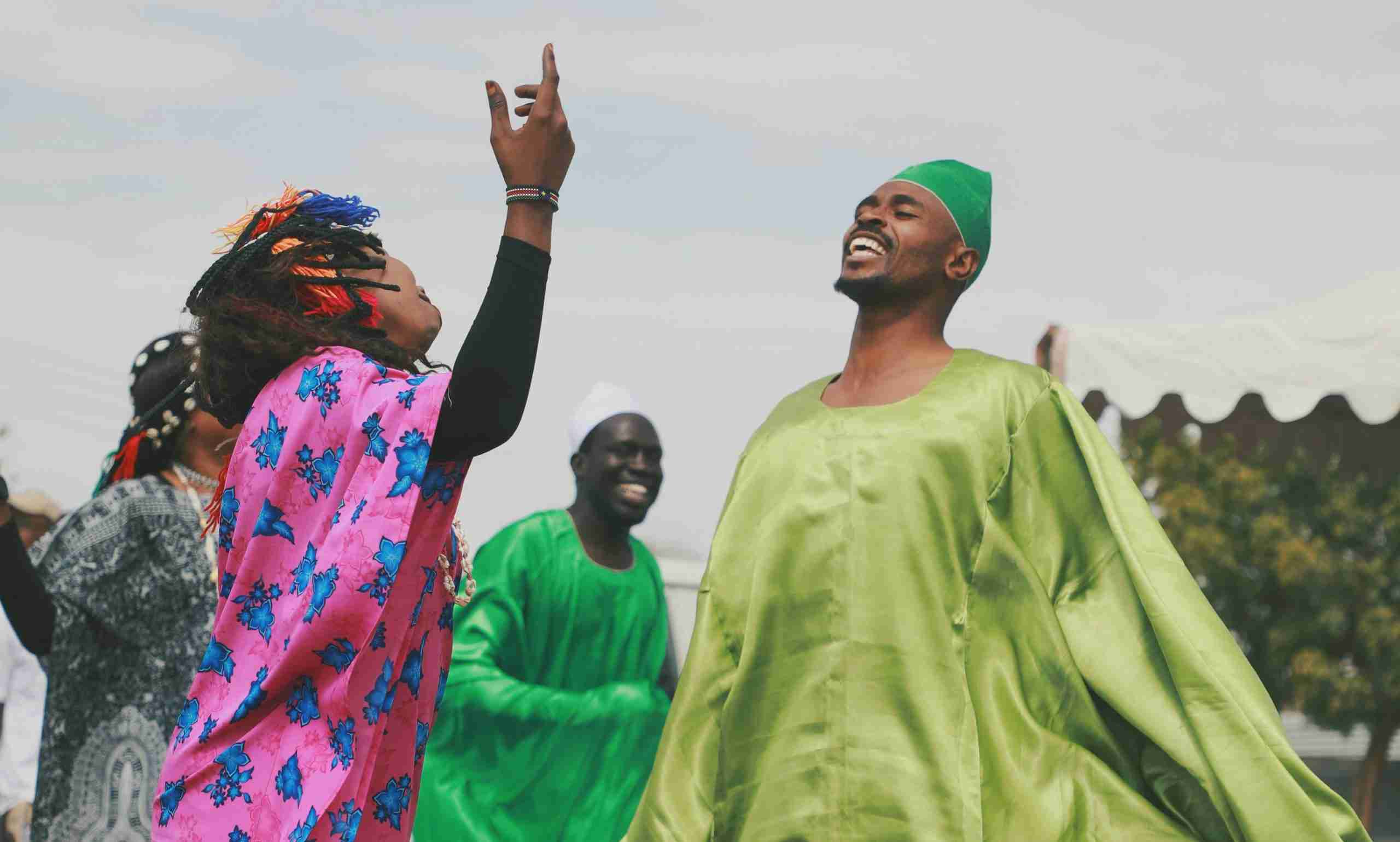
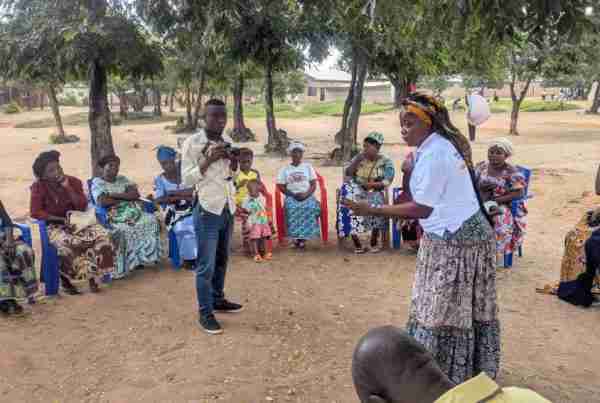
Through structured dialogue, mediation, trauma-informed approaches, and engagement with local authorities, partners work alongside communities to shift perceptions, reduce polarisation, and open space for cooperation. Youth leaders, women’s groups, religious actors, and community mediators play a central role in guiding these processes and sustaining them over time.
On this website, we will share stories from communities, reflections from participants and local partners, and insights from across the four countries. We will also highlight what we are learning, including the challenges, adaptations, and gradual shifts that shape long-term peacebuilding work.
Peace is rarely built through single breakthrough moments. More often, it grows through small changes: a conversation that reshapes a perception, a relationship that rebuilds trust, a space that becomes more inclusive.
We invite you to follow the journey.