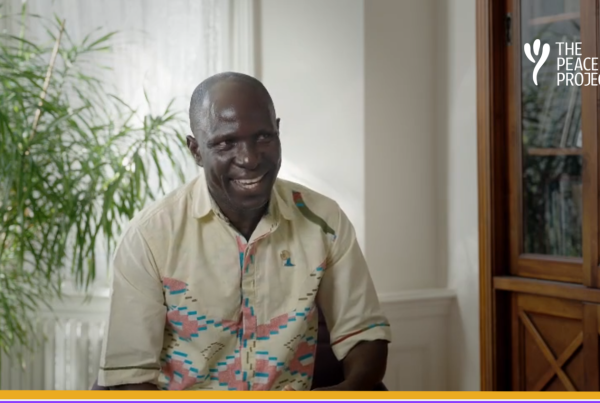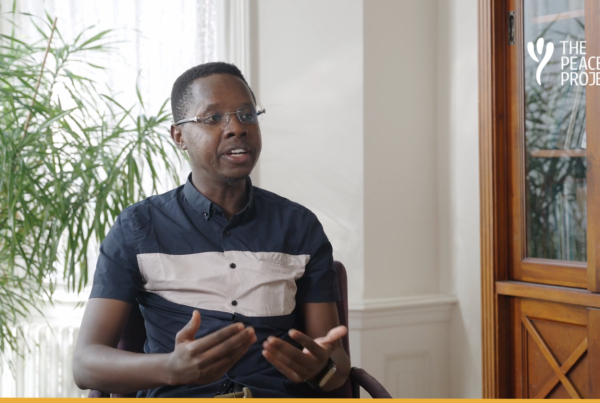

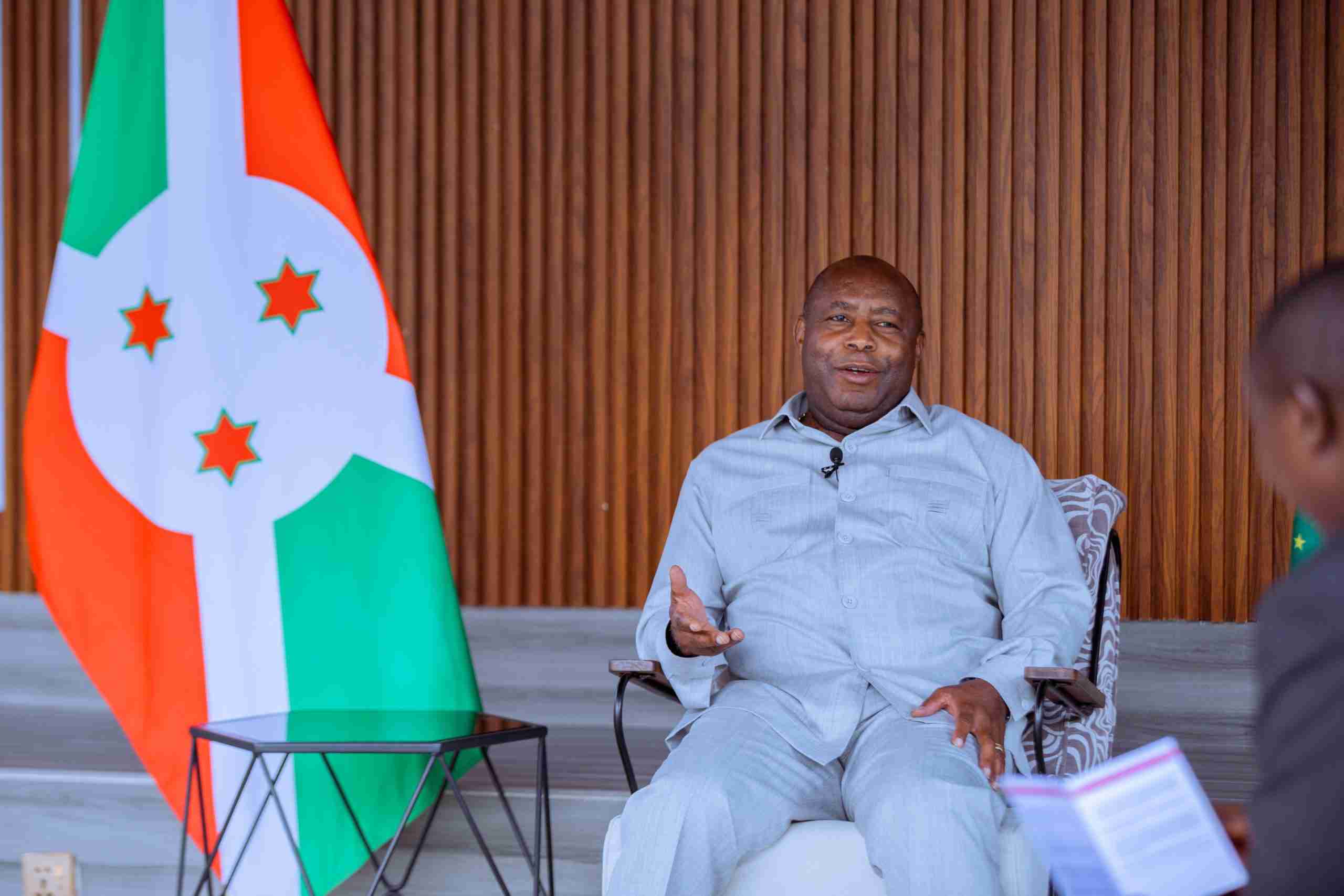
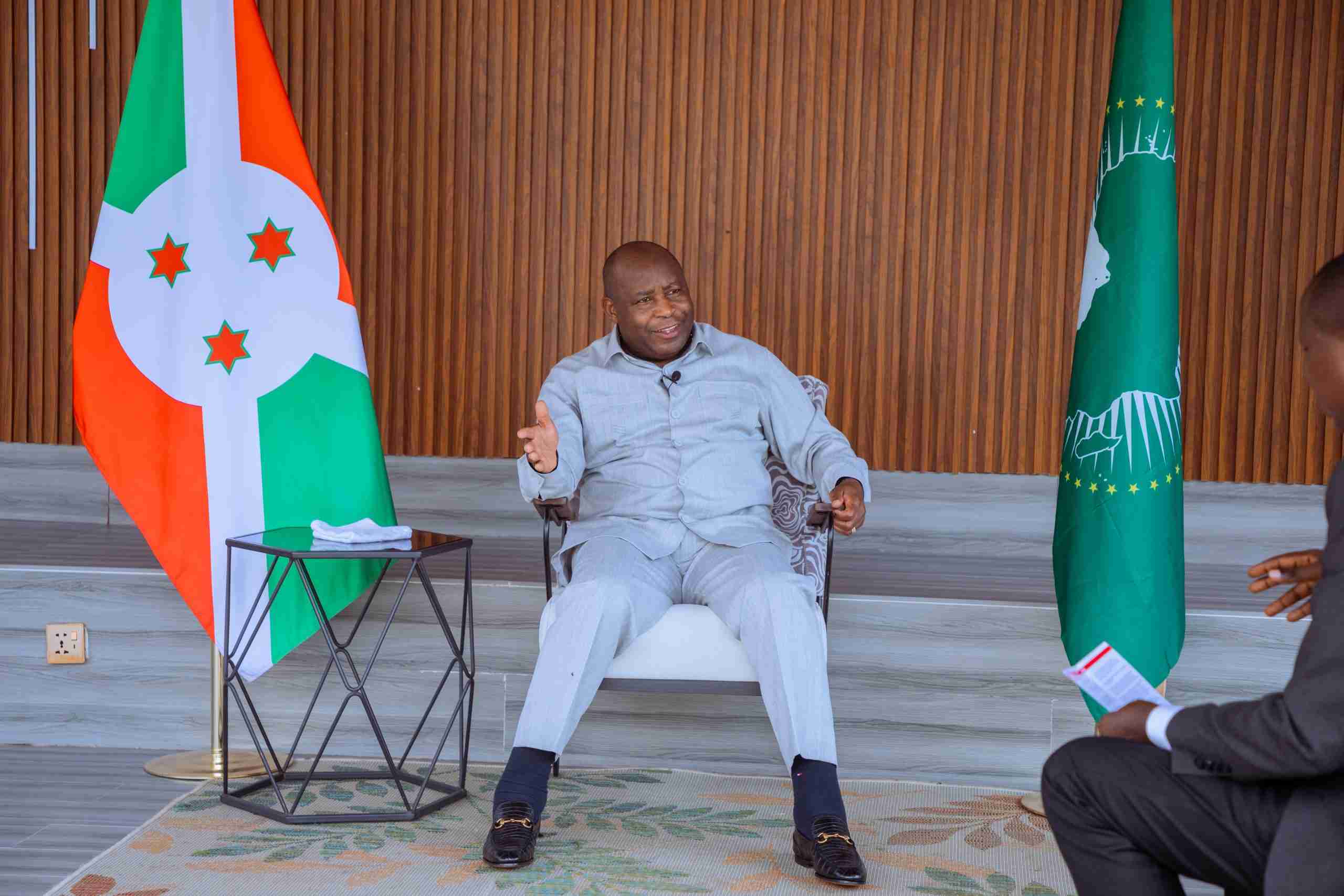
This article is an excerpt from a longer video interview between the President of Burundi and Yaga Burundi, a partner in The Peace Project. The reflections below were written by Ella Iradukunda of Yaga Burundi. You can watch the full conversation here.
Written by Ella Iradukunda (Yaga Burundi)
It’s not every day you get the chance to interview a President of the Republic. And when this opportunity arose for Yaga Burundi, I knew some answers would provoke reactions, others would spark debate. But beyond all that, several passages mainly reminded me of one thing: in reality, peace is at the heart of everything, and it concerns all of us.
Listening back to this interview, I realized it addresses, without filter, the challenges we face every day: how do we welcome displaced people? How do we respond to hate speech circulating on social media? What place should be given to women in decision-making spaces? And how do we keep seeing our neighbors as fellow human beings rather than enemies, despite political tensions?
Join me in revisiting the passages that struck me most.
Reintegrating displaced people to turn the page
When asked about the 2020 decision to close displacement camps, the President defended an approach centered on reintegrating people into their communities. For him, the goal was never to reduce the support given to displaced people, but rather to help them return to a ‘normal’ life. He recalled that several families received assistance, particularly materials to rebuild their homes, before being encouraged to return to their home. The idea is simple, according to the President:
“Staying in the camps is like staying at war. You have to return to the community to start forgetting the war and think about development together with others.”
Hate speech: “Dividing the country is a crime”
It’s impossible to talk about peace without addressing hate speech, particularly the kind circulating on social media that tries to strike at the sensitive chord of ethnic belonging. The President believes this speech sometimes has its roots in trauma left by the past. But, he also states, “some people deliberately fuel these divisions because they find some benefit in doing so.”
For him, attacking the unity of the country amounts to directly attacking the population. “Dividing the country is a crime. It’s poisoning the population, and it’s punishable by law,” he insists, in his own words. He notes that justice will eventually punish those responsible for such acts, but also emphasizes the role of the media. According to him, their mission isn’t limited to informing: they must also help spread messages that promote unity, dialogue, and development. In an age when anyone can publish a message within seconds, this responsibility doesn’t just concern journalists. It calls on every citizen as well.
Women: competence above all
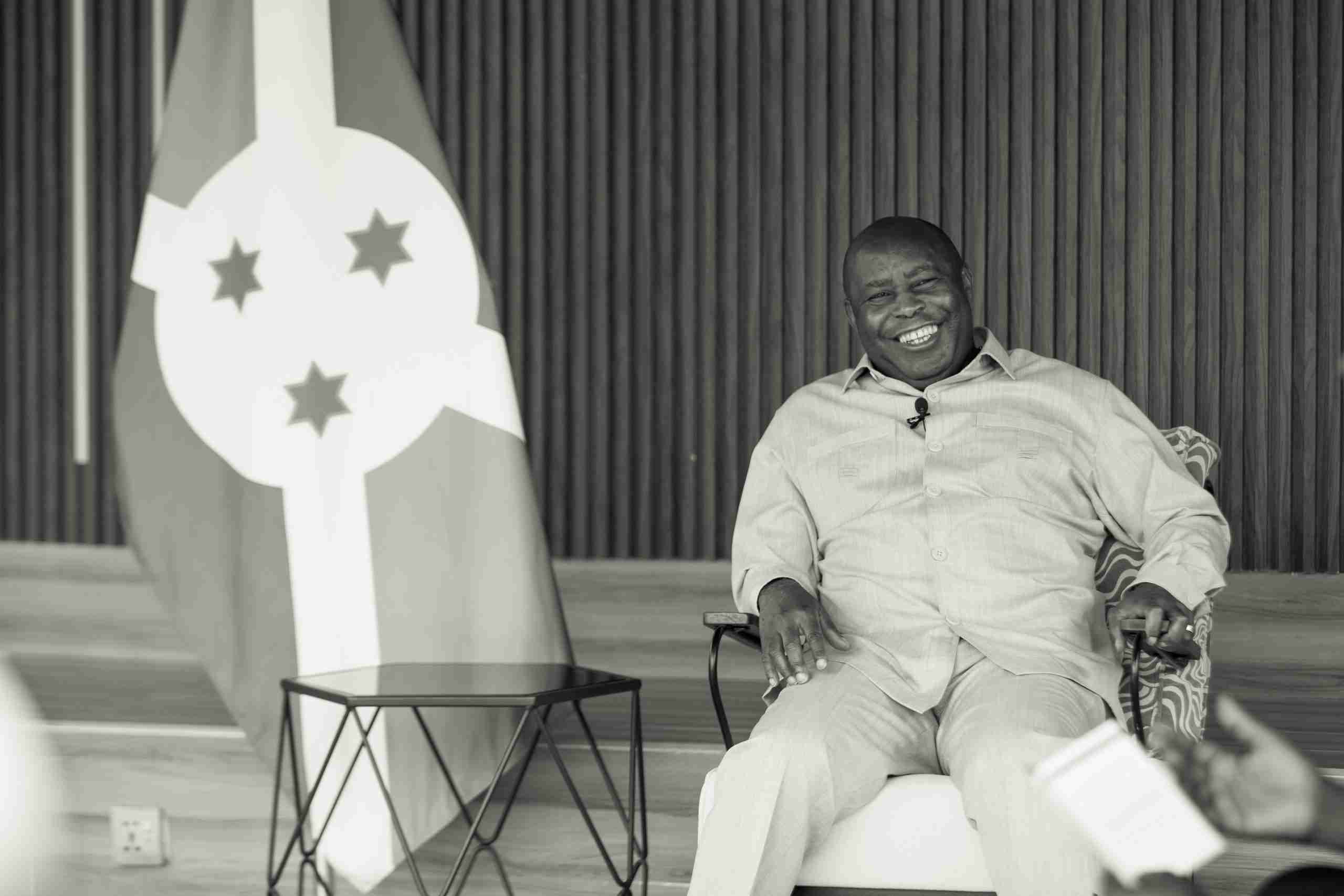
The interview was also an opportunity to revisit a historic appointment: that of the first woman to head the Ministry of Defense in 2025. Why entrust such a strategic ministry to a woman? The President’s answer is direct:
“I don’t see a woman first. I see what she is capable of doing.”
For him, this appointment doesn’t respond to symbolic logic, but to a recognition of competence. He states that a woman is just as capable as a man of holding strategic positions, and notes that the defense forces already include many women who carry out their duties with professionalism. The message he wants to convey is clear: responsibilities should be entrusted to those who have the capacity for them. Gender should never be a barrier to engagement or leadership.
Burundi-Rwanda: distinguishing security issues from relations between peoples
Another sensitive topic addressed during the interview were the relations between Burundi and Rwanda. The President calls for distinguishing political decisions from relations between peoples. While land borders remain closed for what he describes as security reasons, this does not mean, in his view, that Burundians and Rwandans hate each other.
To illustrate his point, he notes that travel between the two countries remains possible by air. “Burundians and Rwandans do not hate each other,” the President stated. Beyond the diplomatic question, his message is that tensions between states should not be confused with the human relationships that continue to exist between peoples.
Building peace, well beyond institutions
I could write more about other striking moments from this interview. But if there’s one idea I’m holding onto, it’s this common thread. Peace encompasses many things: how we speak about others, how we welcome those who return, how we recognize competence regardless of gender, and how we preserve the bonds that unite us, even in difficult contexts. All of it comes back to peace.
This interview speaks to the same aim The Peace Project shares with its partners: bringing Burundian citizens, especially young people, closer to spaces for dialogue around peace, social cohesion, and living together.
Leaving this interview, one reflection stayed with me: we often talk about development, growth, investment, or opportunities. Yet none of these ambitions can truly take shape if peace is not present.
Because in the end, if we give up on peace, what will be left of everything we hope to build together?