
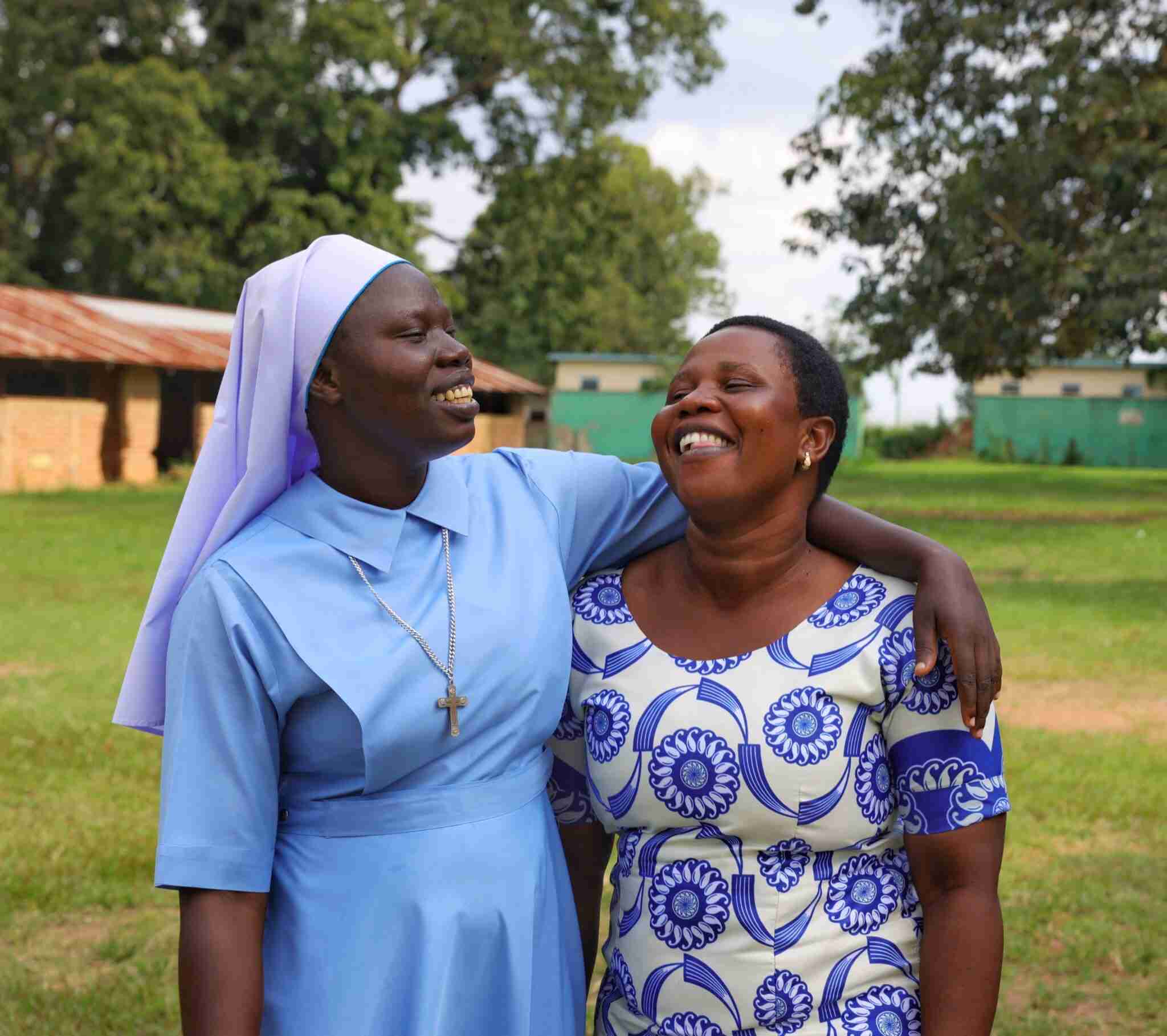
Sister Specioza (28) loves to sing. In her hometown of Opit, in Northern Uganda, she leads her parish choir. She knows everyone who sings along — so when a seat is suddenly empty during rehearsal, or on a Sunday, she often already senses why. Something is wrong.
In the Acholi sub-region, where Opit is located, many people still carry the weight of the civil war that raged here for years. Although the conflict officially ended nearly twenty years ago, its trauma remains present everywhere. Many people have never had the space to process what they lived through — and what hurts inside often stays unspoken. Specioza recognises that pain quickly. “I can see it in people when something isn’t right,” she says. “If someone stops coming, I go and visit. I listen. Some people were caught up in the violence as children and witnessed terrible things. That leaves deep marks. Alongside worries about income and daily life, trauma is one of the biggest challenges here. It puts pressure on relationships and creates tension within families and communities.”
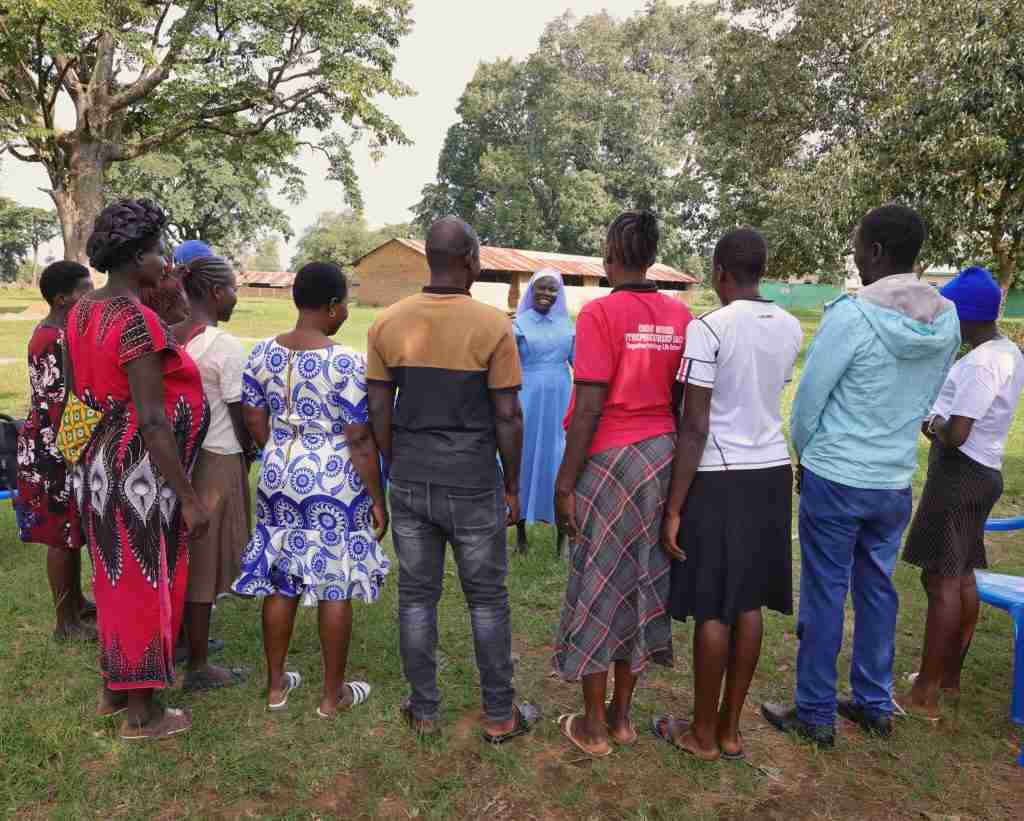
Trauma lingers
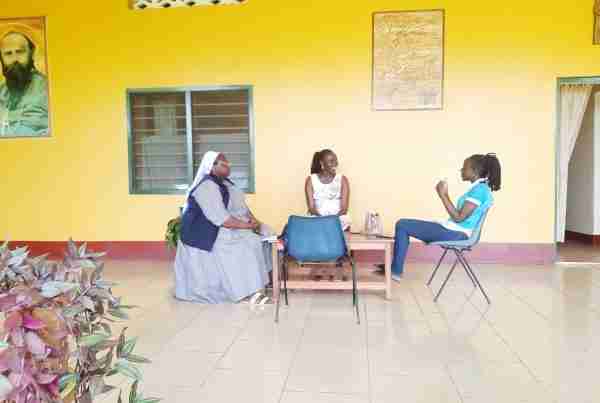
The war in Northern Uganda may be over, but its consequences are felt every day. Old wounds can spark new conflict. Trauma often surfaces as anger, disputes, and violence. Sister Specioza works for the Justice and Peace Department Gulu, a partner organisation of The Peace Project. There, she supports people who feel stuck — in their relationships or within themselves. “Trauma often comes out as aggression,” she explains. “We see a lot of tension within families, conflict between partners, and disputes in the community. We try to mediate, mostly by listening carefully.”
She describes one method she uses with couples. “First I speak with each of them separately, so they can talk freely. Then we come together. Sometimes I give them each a sheet of paper. On one side, they write what they appreciate about the other person. On the other side, they write honestly about where they themselves fall short. Then they exchange the papers. That’s often where reconciliation begins. One man recently told me he hadn’t realised how much his wife loved him.”
Recognition and compassion
Specioza doesn’t do this work only because of her role — it’s rooted in her own experience. She grew up in difficult circumstances and often felt unwanted as a child. “I learned early on to take care of myself,” she says. “But inside, I carried a lot of pain. I was often angry and thought everyone was against me. If someone said something that touched a nerve, I would react aggressively.”
That history is exactly what connects her so strongly to the people she now supports. “When I see others suffering, I feel their pain. I want to be with them, to listen, and to show them that something different is possible. I used to think I was the only one who felt this way. But through guidance, and through the people around me, I have changed and grown.” She pauses for a moment. Then she says: “That’s why this work means so much to me. By helping others heal, I heal too. That matters, because if I’m not whole myself, how can I help anyone else? You cannot pour from an empty cup.”
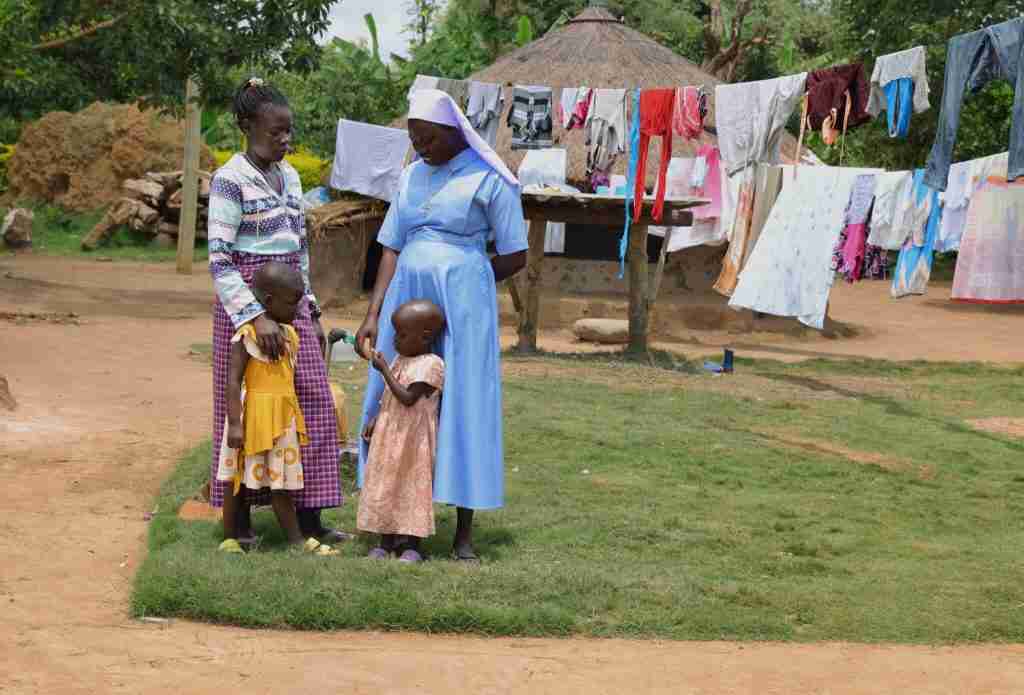
Local leaders make the difference
Sister Specioza’s story shows why trauma healing matters so much in places touched by violence. Conflict doesn’t end the moment the weapons fall silent. War leaves deep marks on people and communities. Without attention to that pain, tensions remain — and new conflict can take root. That’s why trauma healing is a core part of The Peace Project, run by Mensen met een Missie across Africa. In Uganda, Burundi, South Sudan, and DR Congo, we work alongside local partners on healing, dialogue, and reconciliation.
People like Sister Specioza play a vital role in that work. As members of their own communities, they know the people, the history, and the grief up close. That makes them trusted guides. They notice problems early, listen without judgement, and help people find their way back into conversation with one another. When needed, they also refer people on to professional support. For Specioza, her faith is a source of strength in this work — but at its core, what she does is deeply human: showing up for people’s pain, listening, and helping them find their way back to connection.
Background: The civil war in Uganda lasted from the 1980s until 2006, fought primarily between the Ugandan government army and Joseph Kony’s Lord’s Resistance Army. In Northern Uganda, an estimated 100,000 people were killed and millions were displaced. The fate of the many children forced to fight, or who suffered sexual violence, continues to be felt to this day.