
“There are workshops you attend, and then there are spaces that stay with you long after you leave.”
Peace is often imagined as something negotiated at tables, signed in agreements, brokered by diplomats. But what if it also lives in the way we listen? In whether we describe what we see or judge it. In whether we hear the need behind someone’s anger, or only the anger itself.
That is what a group of over 20 peacebuilders from Uganda and South Sudan came to explore at the Basic Nonviolent Communication (NVC) Refresher Workshop held in April 2026 at the Comboni Missionary Animation Center in Gulu, Uganda. Bringing together participants from The Peace Project partner organisations including RACI, CAPACITAR, JPD, THP, ARLPI, MIFUMI and MCJL, the workshop became more than a refresher on communication skills. It became a space to reflect on how conflict grows, how trust is rebuilt, and why the way people relate to one another matters in peacebuilding.
Written by regional associates for community initiatives (RACI) Edymond, Francis & Mildred.
Why nonviolent communication matters in peacebuilding
Nonviolent Communication (NVC) is an approach to communication that encourages people to move beyond blame, assumptions, and accusations, and instead pay attention to observations, feelings, needs, requests, and empathy. At its core, NVC aims to create more respectful, honest, and compassionate ways of relating to one another.
In contexts affected by conflict, displacement, exclusion, or mistrust, communication is never neutral. The way people listen, speak, react, or interpret one another can deepen tensions, but it can also create openings for understanding and dialogue. Throughout the workshop in Gulu, participants repeatedly reflected on how practices like listening without judgment, expressing needs without aggression, and creating space where people are heard are deeply connected to peacebuilding itself.
Reflection from NVC-trainer Nienke:
“What a joy it was to work with this group again. It is wonderful to see how the local NVC trainers, whom I have been working alongside since 2020, are becoming increasingly confident in sharing NVC with the group. Their growing self-esteem has been visible year after year.
Within The Peace Project, NVC has contributed to a culture where openness and togetherness are central. This has helped participants build mutual trust more naturally, and has further developed their capacity for empathic listening, a valuable skill in both counselling work and dialogue.”
Seeing clearly without judgment
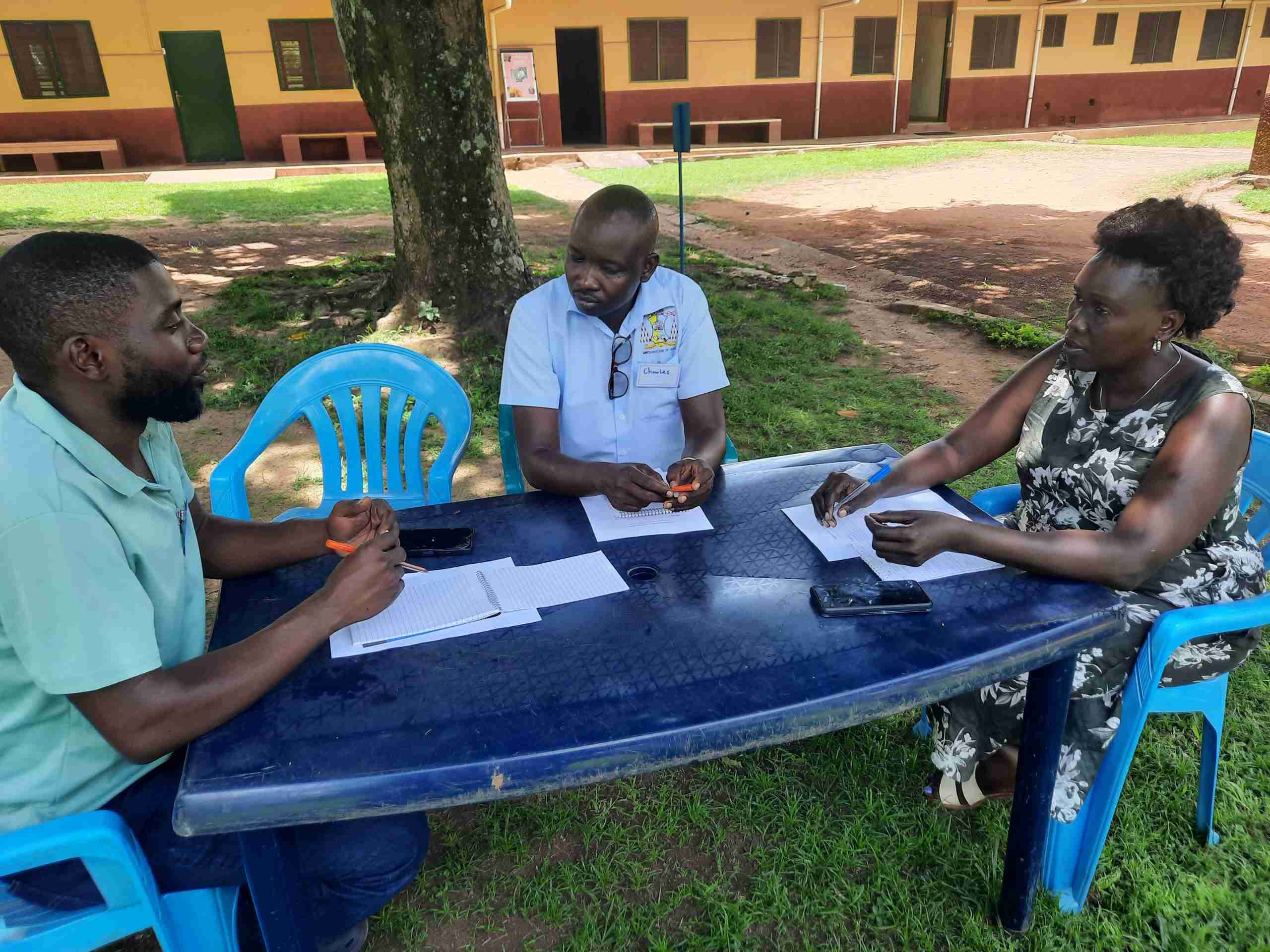
One of the strongest moments during the workshop emerged while participants explored the difference between observation and judgment. As people described what they saw in the room, it quickly became clear how differently the same situation could be interpreted by different people. That exercise sparked a much broader reflection on conflict itself. Dennis from ARLPI reflected that “conflict has often been fuelled by assumptions and narratives about ‘the other,'” adding that the session felt “bigger than communication” because “I saw how conflict starts.”
The conversation returned repeatedly to how easily assumptions can shape relationships in divided communities. What begins as interpretation can quickly become blame, fear, mistrust, or exclusion. Gladys connected this directly to peacebuilding realities, explaining that “conflict often escalates when we confuse observation with judgment. When we learn to describe what we see without blame, we create space for understanding.” What may sound like a small communication shift became, for many participants, a reflection on coexistence itself.
Listening for what exists beneath conflict
The sessions on feelings and needs opened another layer of reflection. Participants spoke about how conflict is often approached through positions, accusations, or reactions, while the deeper needs underneath remain unheard.
As conversations unfolded, participants repeatedly returned to needs such as dignity, recognition, safety, belonging, and respect.
Gladys described how “behind many tensions and conflicts are unmet needs dignity, safety, recognition,” and reflected that “when we listen for needs, we stop seeing enemies and start seeing our shared humanity.”
That reflection resonated strongly throughout the room. Participants spoke about how easily anger, frustration, or silence can be misunderstood when people react only to what is visible on the surface. Several participants reflected on how these conversations shifted the way they think about dialogue and conflict, both within communities and in their own relationships. Conflict was no longer discussed only as disagreement between opposing sides, but also as something shaped by emotional wounds, exclusion, fear, and relationships under strain.
Empathy as a peace practice
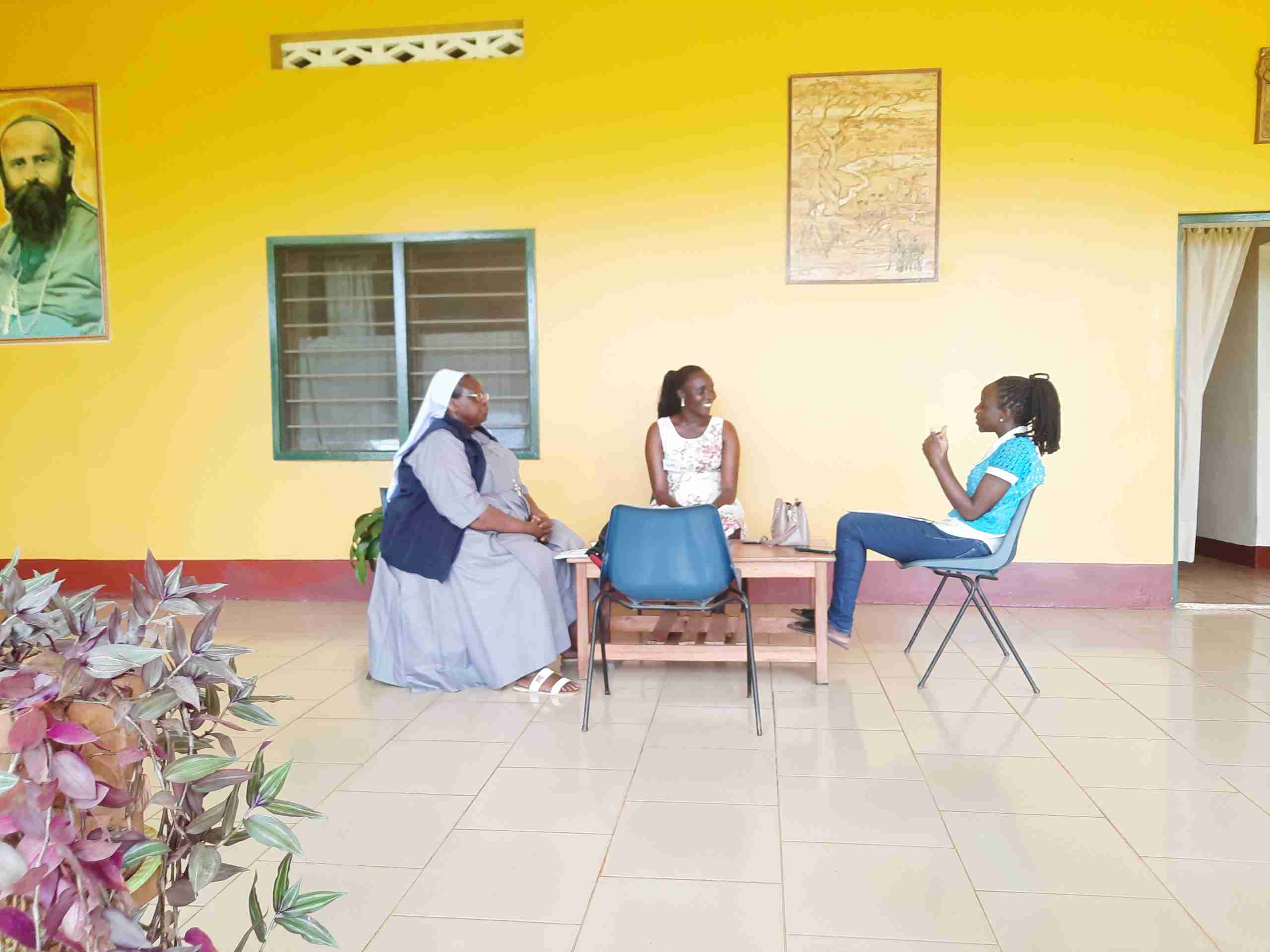
The sessions on empathy left a particularly strong impression. Rather than presenting empathy as comforting, advising, or solving problems, the workshop framed empathy as presence — listening deeply enough for another person to be fully heard. As Nienke explained during the session, “empathy is not fixing people. It is being present enough for someone to feel fully heard.”
During practical exercises where participants rotated as empathy giver, receiver, and observer, the atmosphere in the room began to shift. Participants spoke honestly about fear, frustration, pain, and hope. Some reflected afterwards on how silence itself had become part of communication. One participant described how people gradually softened during the exercise, while others reflected on how rarely people experience being listened to without interruption, judgment, or advice.
The conversations also raised broader questions about peacebuilding practice itself. Too often, dialogue spaces move quickly toward solutions or agreements while trust remains fragile underneath. Yet throughout the workshop, participants reflected on how transformation often begins before solutions are found — in moments where people are recognised, respected, and feel safe enough to speak honestly.
From the workshop to community realities
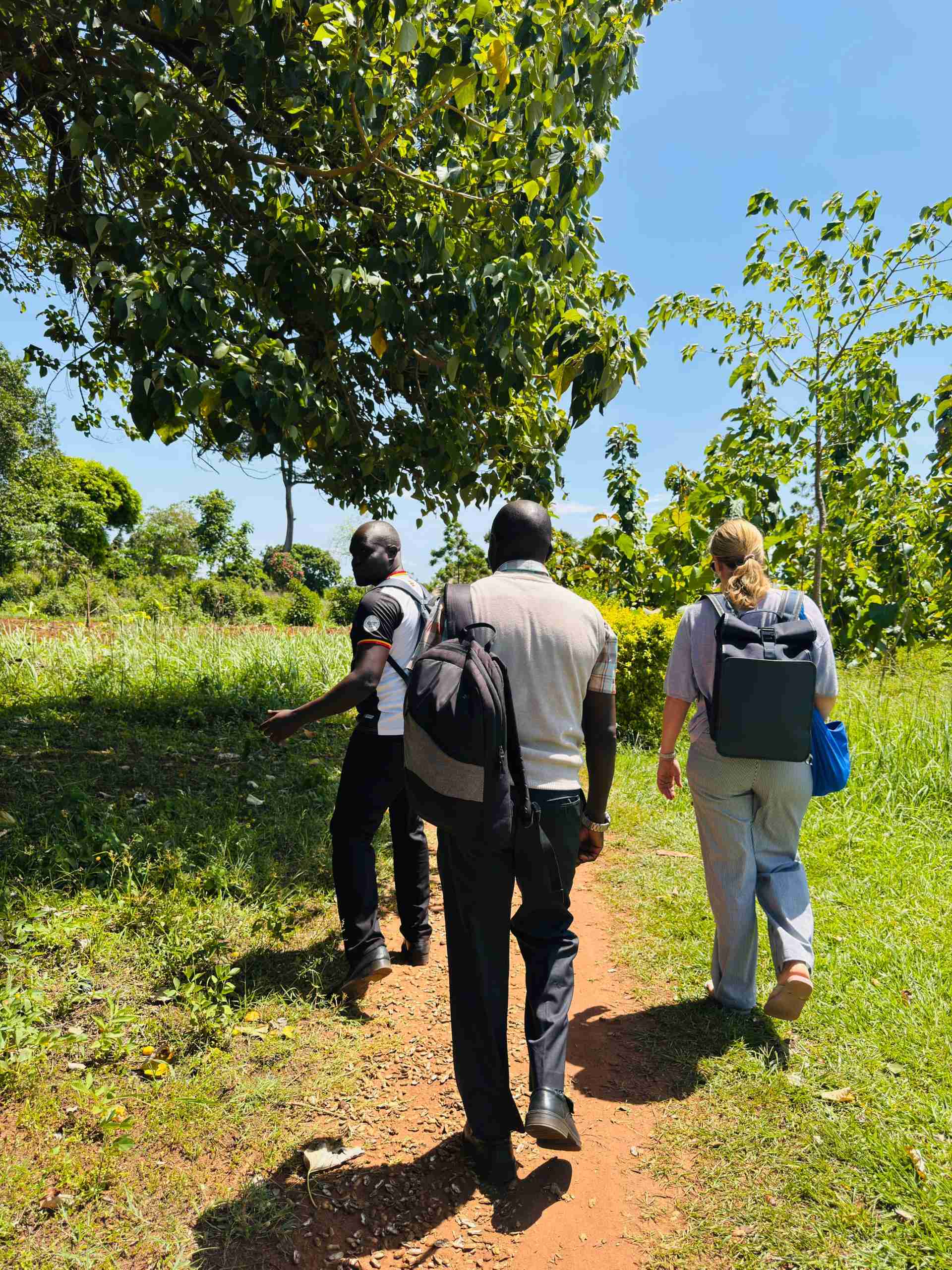
Only a few days later, many of these reflections resurfaced during community dialogues in Atiak, Amuru District. In Kal-Pagimoro, discussions on women’s land rights created space for community members to speak openly about land, exclusion, vulnerability, and belonging. The gathering began not with formal presentations, but with a welcoming song and role play by the community itself, creating an atmosphere of participation, dignity, and ownership.
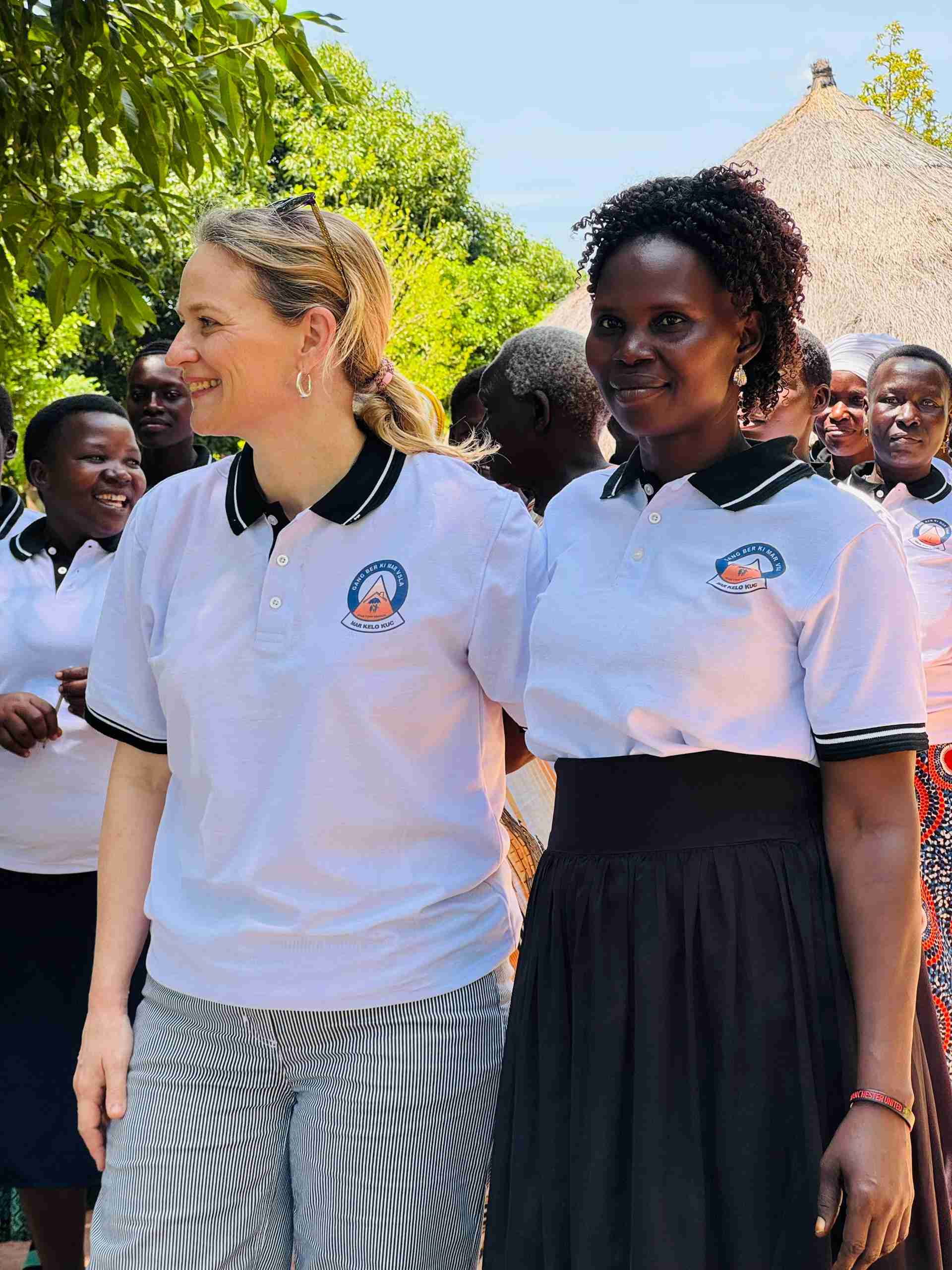
Among those who spoke was Karamela Layet, a widow displaced by inter-clan conflict over land after the death of her husband. Forced to flee with her children after their homes were burned and belongings destroyed, she later joined “Gang Ber Ki Mar,” a working group established by RACI. Through the group, she described regaining a sense of belonging and support as part of ongoing trauma healing efforts.
Later in Luzira, discussions around land governance and unequal access to justice revealed similar frustrations around exclusion and fairness.
Okot Marino, a 78-year-old elder from Luzira Village, reflected that “we would have more peace if the government allowed organizations like RACI to handle some land-related conflicts.”
These conversations reinforced something participants had already begun reflecting on during the workshop: peacebuilding is not abstract. As reflected in the workshop report, “it lives in these grounded encounters where dialogue, listening and shared analysis meet lived realities.”
Small relational shifts
For The Peace Project, these reflections matter because they connect inner transformation with broader social transformation. Whether addressing trauma, land conflicts, gender dynamics, exclusion, or community divisions, the quality of communication shapes the quality of peace.
The workshop did not present peacebuilding as something achieved through one dialogue or one intervention. Instead, participants reflected on how peace is often built through small relational shifts: through listening without judgment, through creating space for dignity, through recognising shared humanity, and through helping people be heard.
As participants reflected at the end of the workshop, “peace is not only negotiated in formal processes. Sometimes peace begins when someone is heard.”