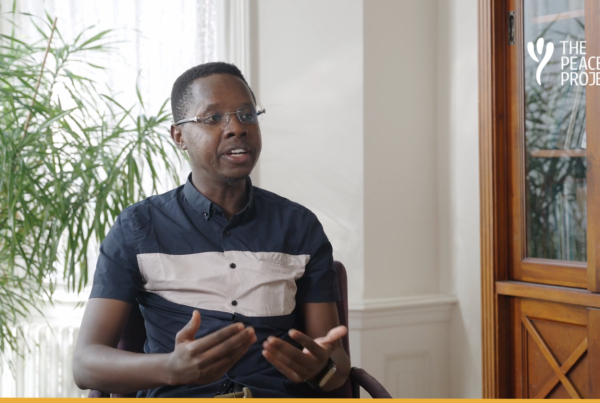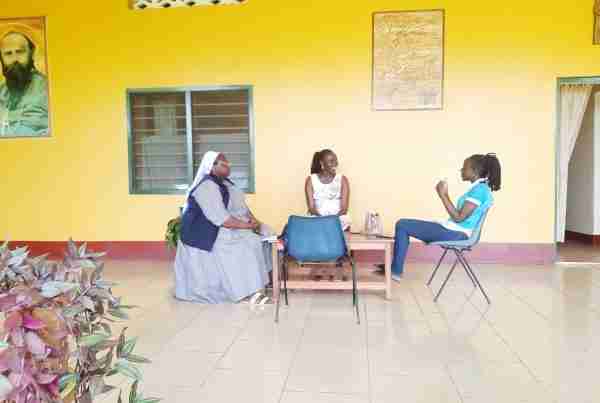

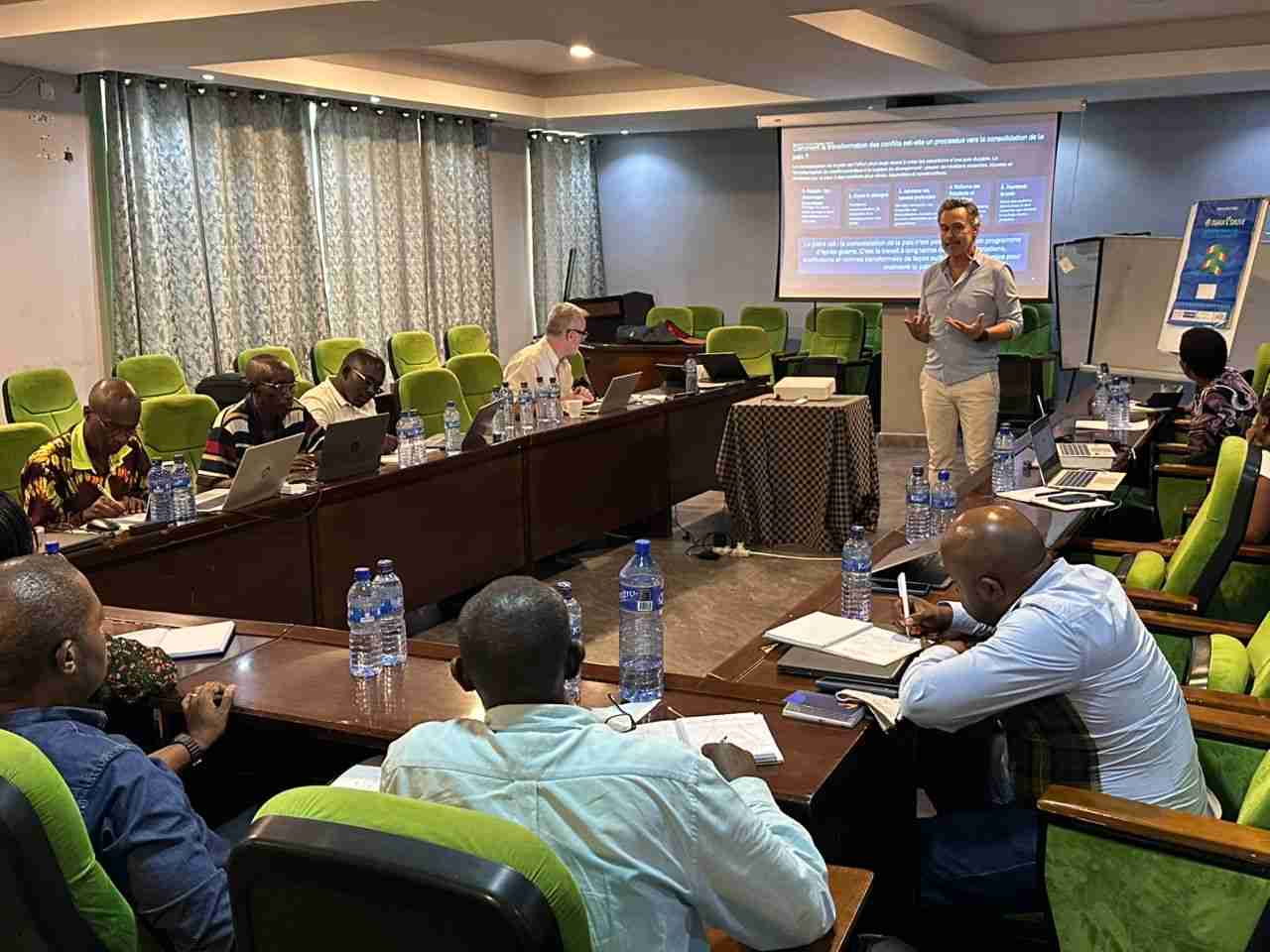
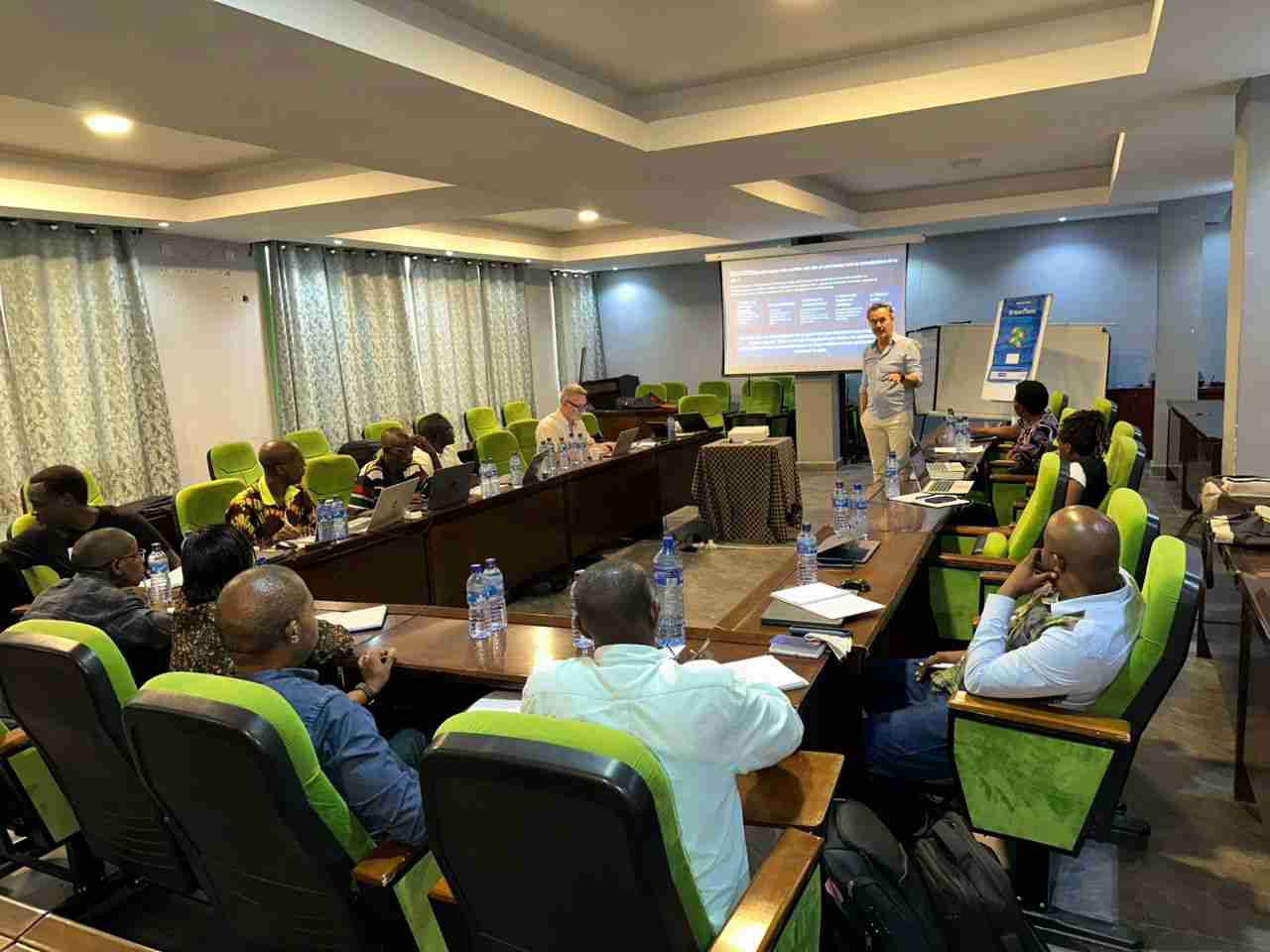
What if the key to lasting peace isn’t just stopping violence; but addressing everything that makes people feel unsafe in the first place? That was the central question at the heart of a training facilitated by Human Security Collective for The Peace Project partners in Burundi: CEJP Burundi, CORD Burundi, THARS, AFRABU, and Yaga Burundi.
What we explored :
Each partner examined how Human Security; spanning community, political, economic, personal, health, and environmental dimensions; is already woven into their work. The shift: making it intentional, structured, and more powerful.
▸ CEJP Burundi connected their psychosocial assistants, mediators, and participatory governance structures to a full human security framework; from GBV response to conflict mediation and community reconciliation.
▸ CORD Burundi recognized that protecting young people from political manipulation starts with ensuring their economic security and creating spaces for safe, informed participation.
▸ THARS deepened their understanding of how community-based trauma rehabilitation and psychosocial support directly build personal and physical security; and how naming this explicitly amplifies impact.
▸ AFRABU saw how community dialogue frameworks and savings groups (AVEC/SILC) tackle economic insecurity at the root; reducing the despair that fuels conflict, especially amid ongoing refugee returns.
▸ Yaga Burundi reframed their media work as frontline peacebuilding: fighting disinformation, hate speech, and digital insecurity is not peripheral to peace; it is peace work.
What changes from here :
- Human Security becomes a cross-cutting, deliberate framework; not an implicit one
- Communities move from passive beneficiaries to co-producers of peace and security
- Early warning, local accountability, and knowledge transfer is strengthened across all programs
- Root causes; not just visible conflict; drive program design
Burundi’s path to sustainable peace must be built on access, dignity, and freedom from fear and deprivation. The Peace Project partners are now equipped to make that vision a practice. Thank you to Human Security Collective for the facilitation and expertise; and to all five organizations for the depth, energy, and commitment they brought to this learning.
The work continues.